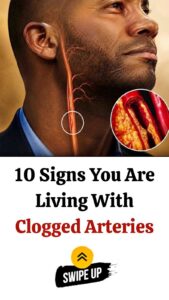
Clogged arteries (atherosclerosis) happen when plaque made of cholesterol, fat, and calcium builds up inside blood vessels, reducing blood flow and increasing the risk of heart attack and stroke.
Common warning signs include:
- Chest pain or pressure (angina)
- Shortness of breath during activity
- Unusual fatigue or weakness
- Leg pain or cramping when walking
- Dizziness or lightheadedness
- High blood pressure
- Numbness or weakness on one side of the body
- Erectile dysfunction
- Cold hands and feet
- Sudden severe headache or vision problems
Major risk factors:
- High cholesterol
- High blood pressure
- Diabetes
- Smoking
- Obesity
- Lack of exercise
- Poor diet
- Chronic stress
- Family history of heart disease
How to reduce your risk:
- Eat more fruits, vegetables, whole grains, and healthy fats.
- Exercise regularly.
- Avoid smoking and tobacco products.
- Manage stress and get enough sleep.
- Monitor blood pressure, cholesterol, and blood sugar levels.
When to seek medical help:
Get emergency care for chest pain, sudden shortness of breath, stroke symptoms (face drooping, arm weakness, speech difficulty), severe headache, or sudden vision changes.
Bottom line: Clogged arteries often develop silently, but early symptoms such as chest discomfort, fatigue, leg pain, or shortness of breath should not be ignored. Healthy lifestyle habits and regular medical checkups can significantly lower your risk.